
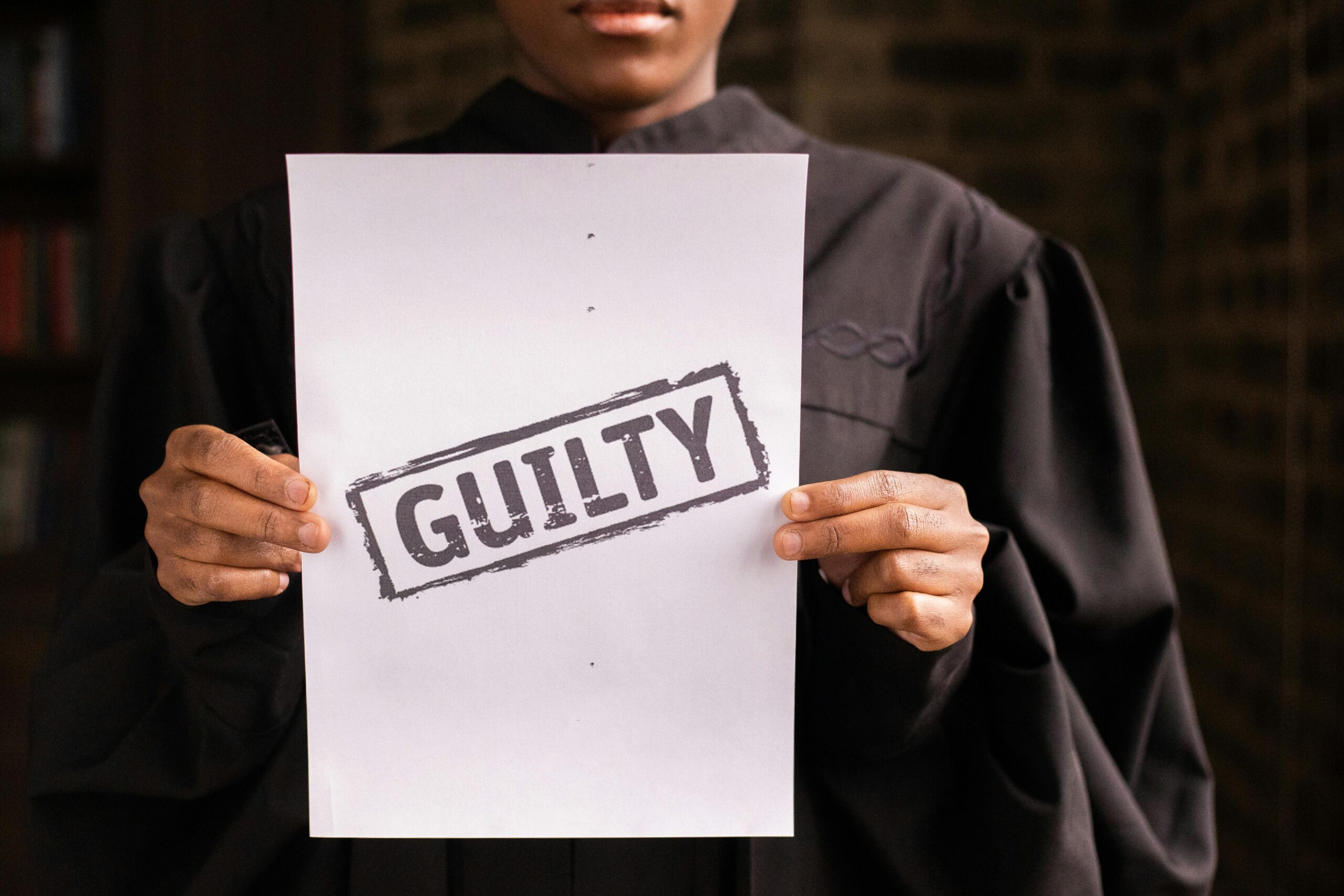
The judiciary in Kenya comprises the Courts, Tribunals, judicial officers, and other staff in the courts and Tribunals, all overseen by the Judicial Service Commission. While it is still considerably effective, it faces many challenges. The truth is that if these challenges were dealt with, the effectiveness, efficiency, and efficacy of the system would be increased greatly. It is hence crucial for the judicial officers and the general public to know, acknowledge these challenges, and consequently call on the mandated institutions to find solutions to them so that Kenyans can be served better when they seek access to the courts.
What Challenges Face the Judiciary in Kenya?
To best understand the problems that exist within the Judiciary in Kenya and their effects on the justice system, we have to pay particular attention to the following aspects:
The Time Taken For Cases To Be Heard And Determined.
Anyone who has had a court case can attest to the time-consuming nature of these matters. This challenge disadvantages the parties in these matters, especially in
- Land disputes, which are very emotive and can take years to be resolved,
- Labor relations matters, which are concerned with the parties’ livelihoods and, therefore, are psychologically taxing, and
- Criminal matters, which, in many cases, necessitate the confinement of the suspects in remand for many years, when they cannot raise bail or bond terms.
Along this line, the judiciary is set up in a way that is very unfair to accused persons in criminal cases where a trial takes a long time and such an accused person has been unable to raise the bail amount and or meet the bond terms. In such cases, it is very important for criminal matters to move with speed and efficiency so that the cases can be heard and determined quickly. One of the biggest minuses of a judicial system that takes a long time before cases are resolved is that persons who are confined to remand stay there for a very long time. This is an injustice to them, and hence, our judicial system should find ways to hear and determine such cases faster. This long delay works against the accused persons psychologically because they need to know their fate soon and deal with it.
The aforesaid delay in criminal and other cases is caused by the huge backlog of cases. It is also partly due to a lack of enough judicial officers, both in the lower courts and the superior courts, to hear all matters requiring their attention.
In some rural areas, this challenge is very acute as the members of the public have to walk very long distances to get the judicial services. At the same time, most advocates in the country prefer to live and work in urban areas, leaving the rural areas without the necessary legal services of advice on the available remedies for their legal issues and representation. Unavailability of legal services sometimes leads to the filing of matters that do not need to be in court because they may not have any cause of action, or would have been resolved by reconciliation, but without the necessary legal information, those matters also contribute to the backlog unnecessarily.
The courts also lack modern technology to a considerable extent. They need to embrace this to help them reduce the backlog of cases in our courts, as matters will be decided faster, more efficiently, and effectively.
Lack of Adequate Specialized Courts.
Specialized courts in our country include, but are not limited to, the Environment and Land Court, the Labor Relations Court, the anticorruption court, the antiterrorism court, etc., and to a certain extent, the High Court when it handles appeals from the Tribunals and especially the Tax Appeals Tribunal matters. While we have a good number of these courts, when it comes to dealing with specialized matters such as land, cyber-crimes, intellectual property, and corruption, etc., the Judiciary in Kenya lacks enough of these specialized courts catering to these matters. This leads to delays and further backlogs before the matters are finalized. This is a disadvantage to the victims of the crimes committed in these sectors.
There is also a lack of specialized training of our judicial officers in the modern changes in our laws, such as in cybercrimes and intellectual property. There should be a program to continuously train all the professionals who serve in our judicial system to ensure they keep tabs on the changes in the legal field and the changing landscape of crimes in modern times.
Unfair Determination of Cases.
Bribery, corruption, nepotism, and various abuses of judicial officers’ offices are major challenges that lead to unfair determinations and consequential injustice to the parties in the matters. This is a rampant complaint by parties in court cases.
Sometimes, these complaints have no basis, but it would help the judiciary’s case if, whenever the same is raised, it is followed up diligently and transparently to its final conclusion. This failure to deal with the parties’ complaints on unfair determination due to influence through various abuses of the judiciary’s offices leads to a lack of public trust in the judiciary. This has mainly been caused by instances of corruption amongst judicial officers, and some of them have been sent packing where they have been caught engaging in corrupt activities.
It is hence imperative for the judiciary and its officers to raise public trust and confidence in them and the judiciary institutions so that they can take their matters to court. Where there is no public trust, citizens do not see the need to take their matters to court, and some might prefer to settle their disputes using illegal means.
Inadequate Public Education about the Judiciary in Kenya.
Many people in Kenya are unaware of their legal rights and the procedures used in the courts to realize those rights. This means that the people are not aware that they can get reprieve or assistance from the courts, and also do not know when their rights have been infringed. They end up not pursuing their rights, and they end up being taken advantage of by other people. It is therefore important for legal education to be rolled out to members of the public to help them know their legal rights and the court procedures so that they can take advantage of them and use them to get resolutions to their matters.
The judiciary is also affected by the failure of the general public to embrace restorative justice to its full extent. This is caused by the lack of awareness amongst the public of the availability of the same. This seeks to restore the relationship between the victim and the accused person. If this form of justice were to be encouraged by creating awareness and through legal education, some of the cases in our judicial system would go through this form of justice, and this would serve to reduce the backlog in our courts
Additionally, members of the public seeking justice in specialized courts often do not know of the existence of the different procedures applied therein from other courts, and this lack of information sometimes leads them to not get justice in these courts. There should be a public awareness campaign to help members of the public know how to deal with these courts in terms of how to institute their cases and the procedures involved.

Moreover, there is a lack of information among the public on Alternative Dispute Resolution mechanisms. These mechanisms include mainly Arbitration, Mediation, and Reconciliation. This situation discourages disputants from embracing these mechanisms and applying them to resolve their disputes. If the members of the public were to fully embrace these mechanisms, the backlog of cases in our courts would gradually reduce, and members of the public would get faster and cheaper access to justice.
Further, these mechanisms have many advantages as they are cheaper, take less time to determine disputes as opposed to the courts, they are flexible, and the parties to that dispute decide on when to meet, etc. These mechanisms are provided for in the Constitution and should be encouraged through public awareness campaigns by the judiciary and through legal aid clinics so that members of the public can optimize use of the same to resolve their disputes and thus reduce the pressure on our judiciary, which is already burdened by many challenges.
Language Barriers.
Kenya has two official languages, which are English and Swahili, and its citizens are also well-versed in a myriad of other indigenous languages. Yet you find that within the Judiciary in Kenya, there is a lack of understanding of the languages used in our courts.
Most people in Kenya primarily use vernacular languages, and hence it becomes a challenge for them to communicate effectively with the judicial officers and the advocates during the court proceedings. There isa provision in the courts for court translators to be provided to assist people unable to communicate and understand the two official languages. However, there are not enough for all the matters requiring the same, and some of them are not fully equipped to translate accurately and clearly to the parties and end up distorting the proceedings unfairly, thus disadvantaging the party in need of their services.
Witness Intimidation.
Beyond not understanding their rights, parties to court cases are sometimes subject to witness intimidation. This challenge is especially rampant when it comes to cases involving powerful individuals and organized crime cartels. It is hence important for our judicial officers and all stakeholders in this area, including the police, to find ways that are secure and foolproof to help protect witnesses who will be testifying in sensitive matters such as those involving powerful individuals. This will make it possible for the witnesses to confidently appear in court and testify. If this challenge is not dealt with, it will mean that cases involving such people will be determined in favor of the powerful individuals, as the witnesses will not appear or make statements due to the fear of these individuals, thus denying justice to the victims of these crimes.
Slow Reform Processes.
Reforms are integral to streamlining the judiciary in Kenya so as to improve its efficiency and effectiveness. However, our system grapples with slow processes in bringing in and applying these reforms. Failure to do this in a timely manner and at a faster pace only serves to disadvantage the consumers of our judicial services.
Limited Accountability within the Judiciary in Kenya.
The judiciary in Kenya also lacks an effective oversight system on the judicial officers as they perform their duties. It is true that one of the pertinent values of the judicial officers is that they should perform their work independently, and this stems partially from the expectation that they will be impartial and fair to all the parties that come before them for the hearing and determination of their matters. It has, however, been observed that in practice, this expectation sometimes fails due to many factors, including human weakness, and the determination that is made in some matters is not only unfair but outrightly so. Whereas there is the provision of appeals that can deal with some of such failures, it is important that our judiciary be well overseen so that the public may have confidence and trust in it.
Lack of Adequate Funding.
The judiciary faces a lack of proper funding by parliament and the inability to operationalize the judiciary fund. If this fund were to be operationalized, funds would be available for the operations of the courts, and this would help to anchor the independence of the judiciary as envisaged under our Constitution. This would also enable the judiciary to be effective and efficient in its mandate. The failure to adequately fund the judiciary only serves to hamper its effectiveness, and this hampers the accessibility of judicial services by citizens. If the judiciary were well funded, it would build more courts, thus increasing its coverage in the rural areas. Consequently, it would increase the number of magistrates, judges, and other staff members amongst its ranks, and these would serve to increase its effectiveness and efficiency in its delivery of services to the people of Kenya.
Limited Access to Justice.
While many people fail to go to court because they are unaware of their rights, the Judiciary in Kenya is also challenged by a lack of legal aid provision to the seekers of justice. This mostly affects the poor in our country, as they cannot access legal services due to a lack of finances. If legal aid were to be made available by the Government or by Advocates together with public awareness campaigns to inform and educate the general public of the availability of the same, these services would be greatly sought and would ensure that everyone has access to justice. Legal aid would lessen the number of people going to courts, as some of their matters would be settled before they are filed in court, others would be withdrawn from the courts once the parties are well advised through the legal aid, thus smoothing the court process for the remaining matters to be settled faster.
Another challenge in our judiciary is the limited access of the courts to marginalized persons, and this includes the poor, women, children, and persons with disabilities. Our courts should be well-equipped to increase access by the aforesaid persons so that they can get justice like everyone else.
The Way Forward for the Judiciary in Kenya.
The challenges of the judiciary in Kenya are many, but they can be overcome with the right solutions and goodwill from the judicial officers together with other stakeholders in the system, including the agencies funding the judiciary. Goodwill from the Executive would also play a big part in clearing a substantial part of the challenges.
It is quite clear from the above that if all the players in our judiciary, together with the stakeholders in the system, were to play their part, the judiciary would be more efficient and effective in its delivery of services to its biggest consumers of the same, who are the Kenyan people.